





Introduction
When designing a café or restaurant, it’s essential to look beyond visual aesthetics and consider how the space will actually feel to the guest.
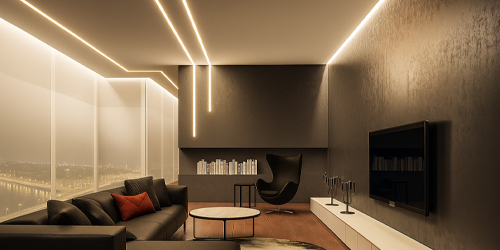
Lighting plays a central role in shaping that experience. It is not just a functional element — it defines the mood, highlights the purpose, and creates an emotional connection within the space.
Every commercial interior requires a tailored lighting approach. A sports store, where visibility and clarity are key, demands a completely different solution than a jewelry boutique, where attention is focused on fine details.
In cafés and restaurants, lighting must strike a delicate balance between energy and comfort.

Maximize Natural Light
Natural light is one of the most valuable assets in any interior.
It enhances visual appeal, reduces energy consumption, and positively affects people’s mood and well-being.
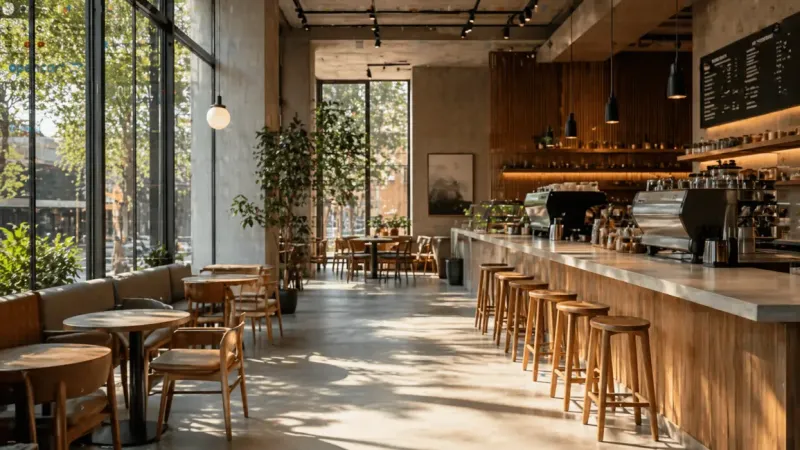
That is why modern cafés often feature large windows, skylights, and reflective surfaces — all designed to bring in as much daylight as possible and create an open, airy atmosphere.

Define Spaces Through Light
Well-designed lighting helps guests intuitively understand how a space functions.
Different lighting types and intensities guide attention and create natural zoning — where to order, where to relax, where to work.
The bar area is typically brighter, drawing attention and encouraging interaction.
Seating areas, on the other hand, are illuminated with softer, warmer light to create a sense of comfort and intimacy.
Accent lighting is used to highlight menus, products, or decorative elements — often through track lights or spotlights.


Balance Day and Night
A space should feel dynamic during the day and more intimate in the evening.
This transition is often achieved through dimmers — allowing the lighting intensity to adapt throughout the day.
Lower lighting levels in the evening create a calm, relaxed environment where guests can unwind after a busy day.

Energy Efficiency
LED lighting has become the modern standard in commercial interiors.
It reduces energy consumption while offering flexibility in design — from color temperature to intensity and direction.
Well-planned lighting is not just a technical solution — it is an investment in the space, the atmosphere, and the overall customer experience.

Conclusion
Lighting in cafés and restaurants goes far beyond functionality.
It is a tool for creating emotion, shaping atmosphere, and defining the identity of a space.
When done right, lighting seamlessly combines aesthetics, comfort, and purpose — creating environments that people remember and return to.
Explore our lighting collection and create your own atmosphere with Brand R.
